
Key Takeaways
- Samples are not just product representations. They are active selling tools that shape buyer confidence and close decisions faster.
- Upgrading sample quality sends an immediate signal about your brand’s standards, even before a buyer touches your core product.
- Speed and consistency in sample delivery directly reduce project delays and prevent competitors from filling the gap.
- A smarter sample program is one of the highest-ROI investments a manufacturer can make in their commercial infrastructure.
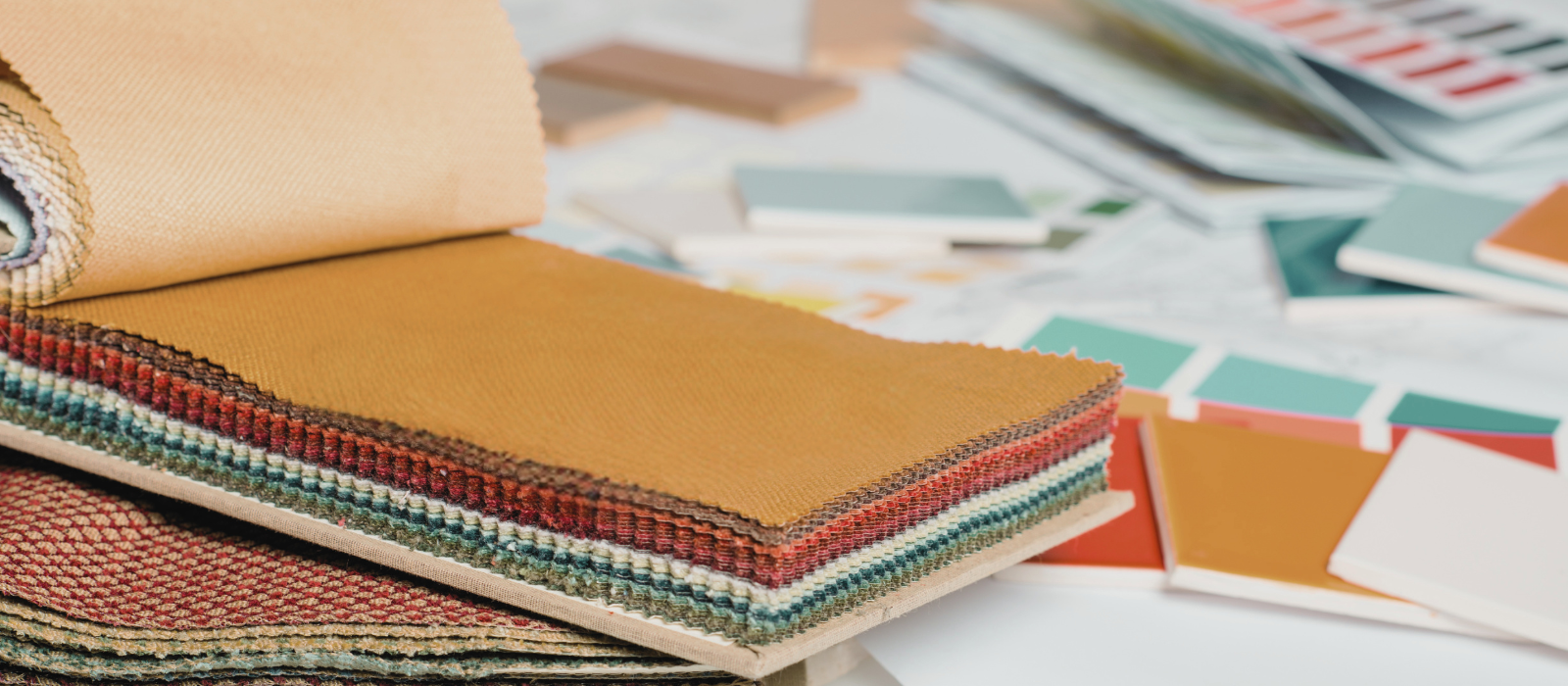
There is a moment in every project, often quiet and quick, when a buyer decides whether your product is worth their time. Sometimes it happens in a showroom. Sometimes it happens at a client presentation across a conference table. Sometimes it happens in a rep’s car, where a sample book slides out of a bag and lands in front of a specifier who has ten other options waiting at home.
In all of these moments, your sample is doing the selling. Not your catalog. Not your website. Your sample.
The good news is that most sample programs have a lot of room to work better. And when you upgrade them thoughtfully, the results show up fast. Here are five ways better samples change buyer decisions before you even have a chance to make your case.
1. They Build Confidence Before the Conversation Starts
A buyer who receives a well-made, accurate, cleanly produced sample arrives at your conversation already leaning in. They have held your quality in their hands. They have seen that your color is true, your finish is consistent, and your presentation reflects a brand that takes its work seriously.
That first impression is extraordinarily hard to walk back once it is set, and it cuts both ways. A sloppy sample creates a credibility gap that a sales call struggles to close. An excellent sample creates momentum that carries through the entire specification process. Upgrading your samples upgrades the baseline assumption a buyer brings to every interaction.
2. They Remove Friction at the Point of Selection
Buyers do not struggle toward decisions. They drift away from complexity. When a sample program is confusing, outdated, or hard to navigate, specifiers and designers simply move to the path of least resistance, which is often a competitor with a cleaner presentation.
Upgraded samples are designed for the way buyers actually work. Logical organization. Clear labeling. Sizes that fit real boards and real workflows. Formats that survive a rep’s daily routine and still look sharp at a client meeting. When you reduce the effort required to evaluate your product, you reduce the barrier to choosing it.
3. They Tell a Richer Product Story
A sample is not just a representation of a product. It is an argument for choosing it. The best sample programs communicate material quality, performance characteristics, and brand positioning without requiring the buyer to ask a single question.
When you invest in samples that show genuine detail, including accurate texture, true color across different light conditions, and finishing quality that reflects your actual product, you give buyers the information they need to commit. You also give your reps a tool they are genuinely proud to show. Reps who believe in their samples use them more often, more consistently, and with more confidence. That changes outcomes.
4. They Keep Your Brand in the Room After the Rep Leaves
One of the most underrated things a great sample does is stay. A well-designed leave-behind, a sample card that belongs on a designer’s desk, a binder that earns shelf space in a showroom: these are selling tools that continue working long after the initial visit.
Buyers revisit their options. They show samples to colleagues, to clients, to contractors. They pull things out weeks after a meeting to compare. When your sample is the one that stayed in the room, you have a quiet advantage that compounds over time. Poorly made samples get set aside or discarded. Premium ones get kept. The format, durability, and finish of your sample directly determine whether it survives long enough to influence the final decision.
5. They Signal That You Can Deliver on the Full Promise
Buyers are not just evaluating your product when they hold a sample. They are making a judgment about your business. A sample that arrives on time, looks exactly as expected, and holds up to handling communicates that your production, your quality control, and your reliability are real. Not just claims in a brochure.
In interior design and specification, trust is the actual product. Designers stake their professional reputation on the materials they specify. Manufacturers who deliver consistent, accurate samples earn a shorthand reputation: if the sample is this good, the product will be, too. That is a competitive position that is genuinely difficult to replicate quickly, and it starts with getting your samples right.
Reframing samples as revenue tools does not require a wholesale reinvention of your program. It starts with an honest look at what your samples are communicating right now, and what they could be communicating instead. The gap between an adequate sample program and an excellent one is often smaller than it seems, and the return on closing that gap shows up quickly, in rep adoption, in specifier confidence, and in accounts won.
Quick Reference: Sample Program Do’s & Don’ts
DO
- Invest in sample accuracy. Color, texture, and finish should reflect the actual product precisely.
- Design samples for how buyers really work: logical flow, clear labels, durable formats.
- Choose formats that stay in the room. Leave-behinds that earn shelf space keep selling after the visit.
- Treat on-time, consistent sample delivery as a trust signal, not just a logistics task.
- Give reps sample tools they’re proud to use. Adoption drives results.
DON’T
- Don’t let outdated or inconsistent samples create a credibility gap your sales team can’t close.
- Don’t overload books and boards with too many options. Complexity pushes buyers toward simpler alternatives.
- Don’t underestimate durability. Samples that look worn signal a brand that cuts corners.
- Don’t skip the post-visit. Samples that disappear from the room disappear from the decision.
- Don’t treat samples as a production afterthought. They’re a commercial investment.
Ready to See What Your Sample Program Could Do?
If you’re ready to take a closer look at what your sample program is actually communicating, and what it could be doing instead, we’d love to talk. Contact us for a custom quote and let’s start there.